Unseen Treasures

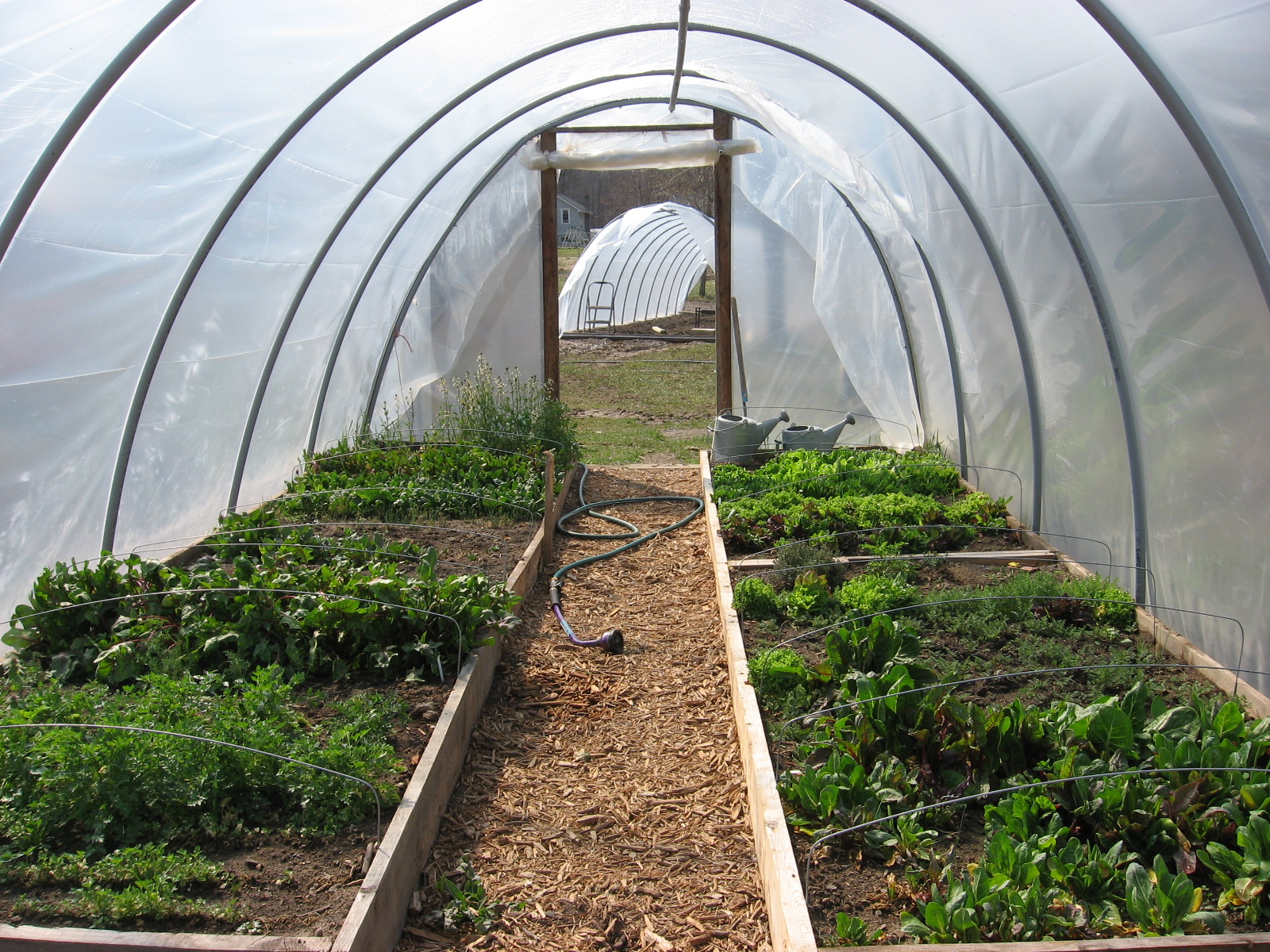
It’s been quite a week.  We have gone from humid 90’s and thunderstorms to my idea of perfection:  70’s and breezy with virtually no humidity.  We were able to plant over 1200 tomatoes, set up irrigation systems, mow 3 acres, harvest beautiful fresh spinach for market, then I decided it was time to compost the lettuce that had finally gone to seed in one of our hoop houses.  This particular hoop house was our experiment from last fall.  We wanted to lengthen our season and had planted lettuces, Swiss chard, spinach and herbs.  The 90 degree temperatures had pretty much done them in, although they had flourished from last September until late May.  It was time to clean it out and let it go dormant until mid August, when we would plant again for fall and early winter.

I gathered wheel barrow and spade, venturing into the 100 degree structure to start pulling out parsley, chard and lettuce; the chickens would love these offerings.  I had taken note of what appeared to be over grown carrot tops in the back of one of the raised beds.  As I bent down to pull some of them out, what had seemed over grown was full of beautiful mature carrots.  I went outside and washed them off.  I tried one and was shocked by its sweetness.  I filled a bowl with water, removed the tops and dropped them in.  Going back in I continued to pull handful after handful of gorgeous carrots.  How in the world had we missed these, I thought munching on another one?  When we had checked them last would have been in late March, when we were disappointed that they hadn’t matured.  We had planted later than recommended and thought they had been a failure.  Yet here they were growing and maturing at their own speed, in their own time.  The more I pulled, the more delighted I became.  In the end there were enough to share with three of our neighbors who loved carrots as much as we do.  I decided to turn these beauties into a cold carrot soup to celebrate this unseen treasure.

Curried Carrot Soup

  • 3 Tbsp sweet butter
  • 1 cup sweet onion, chopped
  • 1 1/2 tsp curry powder
  • Kosher salt & fresh ground black pepper to taste
  • 3 1/2 cups vegetable broth
  • 2 lbs carrots, cut into 1-inch chunks
  • 2 Tbsp fresh lemon juice
  • 2 Tbsp fresh cilantro, coarsely chopped
  • Low fat sour cream
  1. Melt butter in a large Dutch oven over medium heat.  Saute the onion, curry powder, salt & pepper until onion is soft and translucent; about 5 minutes.
  2. Add the broth, carrots and 3 cups water.  Bring to a boil.  Reduce heat, cover and simmer until carrots are tender; about 20 minutes.
  3. Puree the soup in batches in a blender.  Transfer to clean saucepan or container if making a cold soup (which I recommend).  Add more water to thin to desired consistency.  Reheat if necessary or chill for at least 4 hours.  Stir in lemon juice.
  4. Serve with a dollop of sour cream.  Garnish with cilantro.

Serves 4

Posted in Farm News, Recipes | Tagged , , , , | 2 Comments

Monsoons, Onions and Pissaladiere

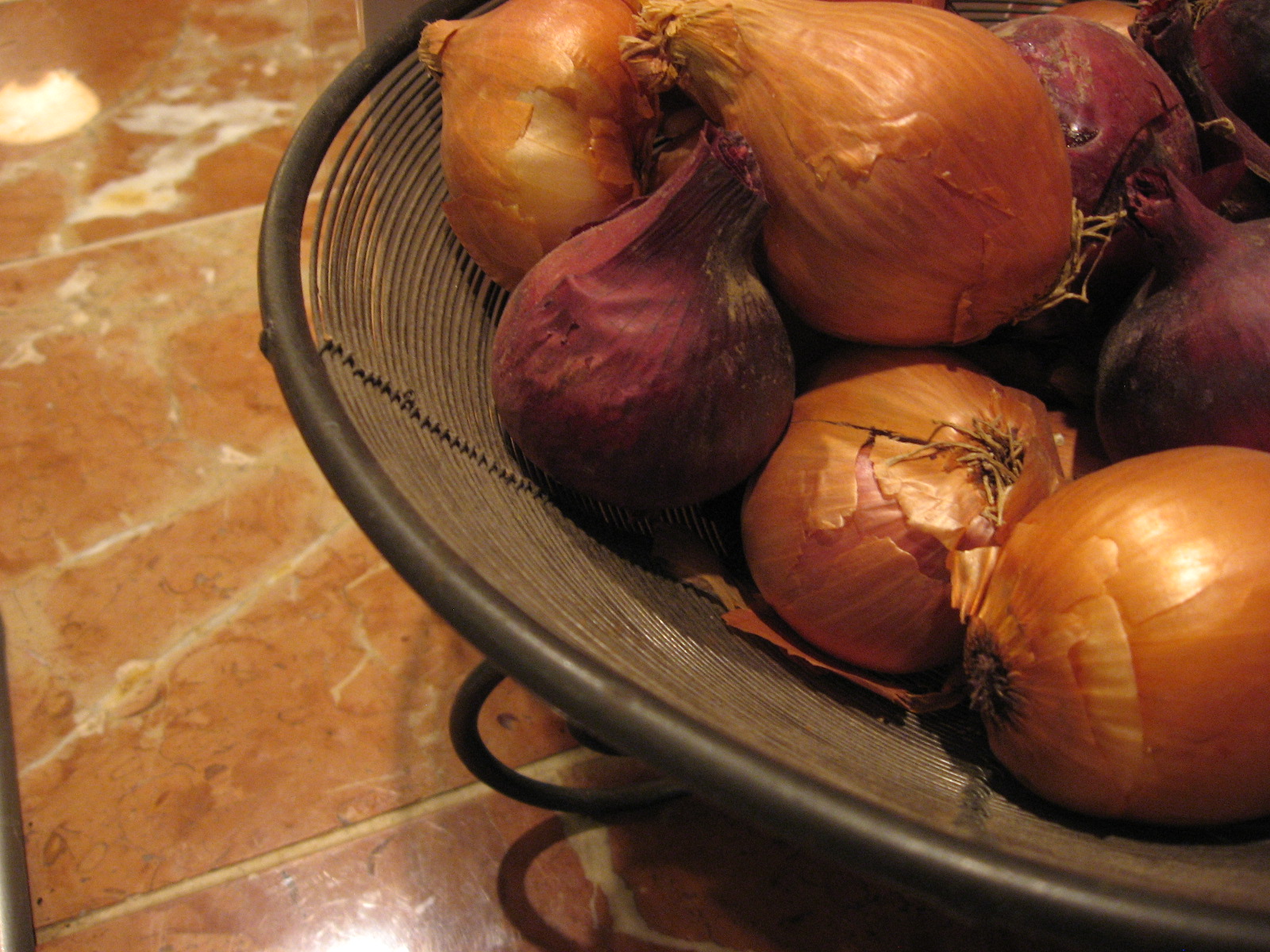
It’s been raining…..again.  The fields are flooded, muddy and our garlic’s rotting.  It’s one of those times when you realize you are not in control.  Three weeks ago 10 inches of rain, this week 4 inches.  Is it ever going to stop?  We were already behind in planting, but when it comes to the weather you learn to take it as it comes.  As the garlic rots, there is a vegetable that can’t seem to get enough moisture: onions.  Our yellow Stuutgarts and Red Barons show no signs of struggle against the standing water.  In fact they are lush and beautiful…all 28,000 of them!  Although onions are a basic crop there are many varieties to choose from.  You can also harvest them in various stages of development, making them serve dual purpose, young and early or mature for a later harvest.  We grew onions for the first time last year, not knowing whether or not they would go over with our customer base.  Much to our surprise they flew off the stand, virtually selling themselves.

So after spending the morning digging trenches, for the standing water to run off as many crops as possible, we decided a little comfort food would certainly help our stomachs, if not our dispositions.  Val, ever the baker was in charge of making the crust.  She prefers a focaccia recipe from Peter Reinhart’s Artisan Breads Every Day called: Pain a lAncienne Focaccia.  Alternatively, you can use your favorite focaccia or pizza dough recipe, but Reinhart’s is well worth the effort!  Thankfully, Val had a bowl of dough rising in the frig already.  His method for refrigerator rising gives you the flexibility of using the dough anywhere from one to four days later.

The name pissaladiere may make you think of pizza, but it derives from the anchovy paste, pissala, that is sometimes stirred into the onions to intensify their flavor.  In this case, I prefer to place them in a criss-cross pattern on top of the onions.  If you are actually planning ahead you can caramelize the onions a day in  advance to stream-line assembly.  The onions themselves take time to caramelize and should not be rushed, as they take about an hour to turn into their delicious and savory selves.

Pissaladiere:

  • 2 Tbsp olive oil
  • 6 medium onions, halved and thinly sliced
  • 1 fresh thyme sprig
  • 1 bay leaf
  • About 12 good quality anchovies, packed in oil patted dry on paper towels
  • Sea salt and fresh ground black pepper to taste
  • About 12 Nicoise or Kalamata olives, pitted

Preheat oven to 425 degrees

  1. Prepare focaccia or pizza dough on a jelly roll pan in a rectangular shape.  Keeping it as thin as possible.
  2. Place the olive oil in a non-stick skillet over low heat to coat the skillet evenly.  Toss the onions, thyme and bay leaf, stirring to coat everything with oil.  Cook slowly, stirring occasionally until the onions turn a golden, caramelized color.
  3. Spread the onions over the dough, leaving an inch of crust around the rectangle.  Criss-cross the anchovies on top of the onions.
  4. Top with olives between the anchovies.
  5. Bake the pissaladiere about 20-25 minutes, or until the dough is golden.  Serve warm or at room temperature.

Sitting down to something as savory as a pissaladiere has served its purpose.  We are calmed by the scents in our kitchen, a glass of chilled white wine and the company of each other.

Food is our common ground, our universal experience.


Posted in Farm News, Rants, Recipes, Vegetables | Tagged , , , | Leave a comment

The Calm Before the Storm

Sunday…….a day of much-needed rest.  We are getting back to the swing of things here on the farm.  Spring is indeed a beautiful time of year.  We got up early this morning to enjoy coffee on our cedar swing which sits between four of our fields and has a great view of Long Lake.  It was peaceful listening to the birds waking up around us.  We are fortunate to have lake, marsh, meadow and woods on our land.  We spotted Baltimore Oriole, Great-Blue Heron, Canadian Geese, Sandhill Cranes, Rose-Breasted Grosbeak, Hairy and Downy Woodpeckers all within walking distance from our house.

May is an intense time on the farm.  There is much to do from preparing the soil, to planting and transplanting various vegetables.  After receiving 10 plus inches of rain in the past two weeks we have been hard at work pulling our nemesis…..WEEDS!  They will choke out the hardiest vegetables if not removed early.  It is a race to see who will prevail.  Our spring field is looking lush with favas, 3 kinds of turnips, 3 kinds of beets, snow peas, snap peas, Swiss Chard, radishes, lettuces and spinach pushing through the soil.  The 7 varieties of carrots and potatoes, along with red and yellow onions are humming along.  The rain while promoting such impressive growth among the spring vegetables has been brutal for our hard-neck garlic.  It looks to be a 50% loss, although what has survived is looking healthy and vital.  Is this an example of our glass being half full?  Val chuckled the other day saying that we have come up with the right combination of vegetables for virtually all types of weather.  If the garlic fails, the onions love it.

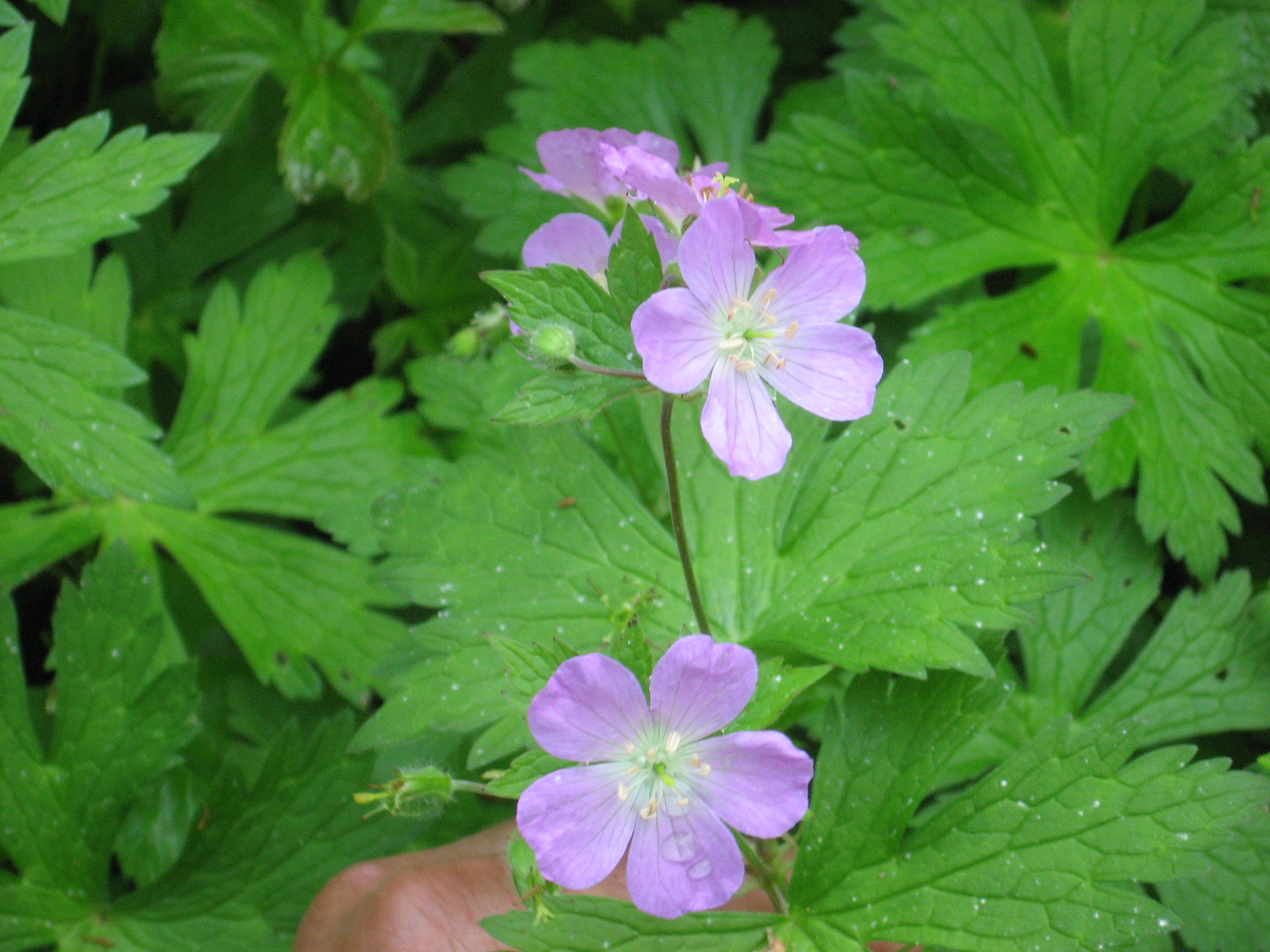
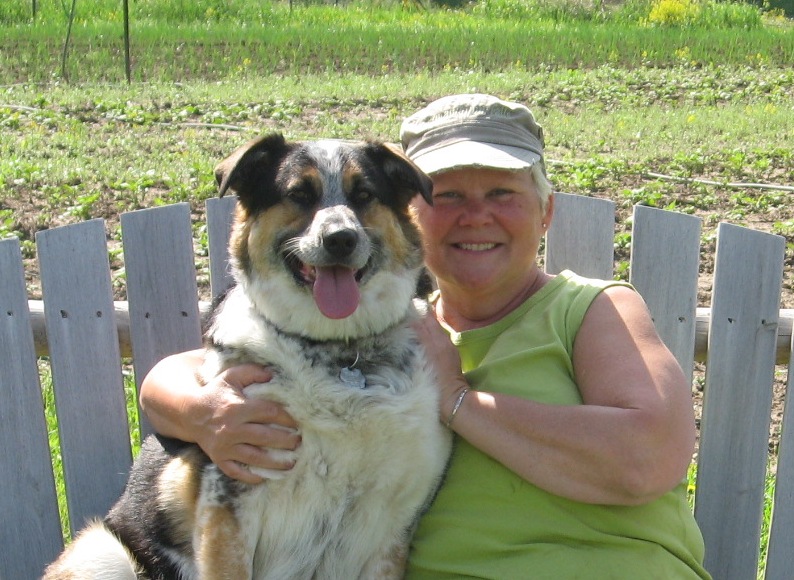
After coffee Val went in to bake bread, while Bleu and I took a walk down our lane.  The trilliums and mandrake are just starting to fade, while the wild geraniums are showing off their colors.  Yellow and pink honeysuckle are everywhere with plump buds that will open this week as temperatures are predicted for the upper 70’s.  Moisture is dripping off the trees and plants from last night’s rain.  Bleu is busy with endless scents as he weaves a crooked path down the lane.  The old railway bed drops off dramatically in areas, draining off into marshland, where marsh marigolds and watercress thrive in the standing water.  I stop to watch the willows sway in the lake breezes long the shoreline as Bleu leans against my leg.  Moments like these soon pass like spring itself, as summer encroaches.  The cottage people will return and the lake will get busier.  But for now its the breeze, the willow, Bleu and me.

We return to the farm and stop at the small hoop house to pick Swiss chard for breakfast.  I am a lover of any type of green topped with a poached egg.  A little sliced garlic, a quick saute and a fresh poached egg…can it get any better?  I wonder if Val’s ciabatta is ready?

Posted in Farm News | Tagged , , | 5 Comments

The Self-Sustaining Family Farm

Brickyard Farms is a ‘self-sustaining farm’ that uses organic methods.  If that seems like double-speak, it is wording that allows us to find a description that is appropriate in legal-speak.  For a small farm such as ours, the organic certification process is lengthy and cost prohibitive.  The word organic is no longer owned by the farmers themselves, but by the government licensing process and corporate interests that want to ultimately control the food supply.  There is a great deal of money to be made in food.

Val and I are often asked what it means to be a ‘self-sustaining farm’.  Self-sustaining implies a sense of stewardship for the land, a continuance of purpose through its own efforts.  We hope to leave the land that we farm better than when we found it.  ‘Self-sustaining’ also involves maintaining a farm that is small enough to produce quality vegetables without the use of chemicals or pesticides for high yields.

I’ll never forget the first time I tasted one of our potatoes; I was shocked by its flavor.  I had always thought a potato is a potato, is a potato.  I had no idea how chemicals and pesticides affected food’s flavor.  Until you’ve tried vegetables grown locally and without pesticides, you won’t believe the difference.  Local food growers will tell you there is no substitution for produce that has been allowed to ripen fully before harvest.

Yet flavor, price and access are often at odds.  Val and I noticed last spring that some vendors at the farmers market were going home with beautiful, locally grown asparagus that they hadn’t sold.  When we arrived at one of the commercial stores to complete our weekly shopping, we immediately noticed they were selling asparagus for $.99 per pound; at the farmers market it was priced at $1.79 per pound.  Local farmers cannot compete with volume pricing.  They must compete with the quality of their goods and the support from their local community.  On balance, if each family spent $10.00 per week of their food budget on locally grown food, $37 million would pour back into our Michigan economy.[1]

Support for local farmers is critical if we are interested in providing choice in the foods we purchase.  Educating customers to appreciate whole foods, not processed foods, is the ultimate goal of every market farmer.  When we know how our food is grown, and at what stage it is harvested, buying local makes more sense.  We feel by living simply and acting on our beliefs, we are giving people the option of eating affordable, pesticide-free produce.  We believe that food of excellent quality can be produced locally and at peak flavor.

The average bit of food travels over 1500 miles to its destination.[2]  In terms of energy alone, this common practice is not sustainable.  When food is picked before it is ripe, not only flavor but nutritive value is compromised.  How many of us have had the beautiful red tomato that was gassed to imitate ripeness, without an ounce of flavor?  I, for one, would far prefer a beautiful tomato with all the taste of summer, grown locally and shipped tens of miles to a farmers market with great care.


[1] Public service announcement, State of Michigan UIA web site, 2009.

[2] Food Inc.; documentary movie about the food industry, 2009

Posted in Book Excerpts, Food Issues, Rants | Tagged , , | 1 Comment

Spring’s Bounty: Morels

Alice Water’s once said, expect nothing. Live frugally on surprise.  We had just gotten back from running an errand to find a pile of fresh morels on our kitchen table.  The locals had been combing the woods around the farm for weeks to no avail, yet here they were begging for a recipe.  We found out the our farm hand Zac had found them during his lunch hour and though he is good at finding them, he doesn’t like to eat them.  We couldn’t be happier that we were the recipients of his generosity.  He said they will be coming now for about two weeks if the conditions stay favorable such as moisture and warmth.  We have had the moisture this spring, but certainly not the warmth.  Today it reached 74 degrees which apparently was just warm enough.

Most people are very secretive about the places where morels are found.  They want to return each year without spending hours and hours looking for them.  However always be sure not to pick all of them completely.  It’s important to leave a few mushrooms that will release future spores for next year.  Without doing this your potential cache will quickly dry up.  There are many suggestions for novice hunters that include looking in old apple orchards, or where trilliums grow, along steep hillsides or old rail road right of ways.  Where ever you look, it is always thrilling to find them.  Tomorrow Zac has offered to take me morel hunting.  He said, “For someone who goes bonkers for them, I can’t believe you’ve never gone hunting for them!  Be sure to put your morel-eyes on.”

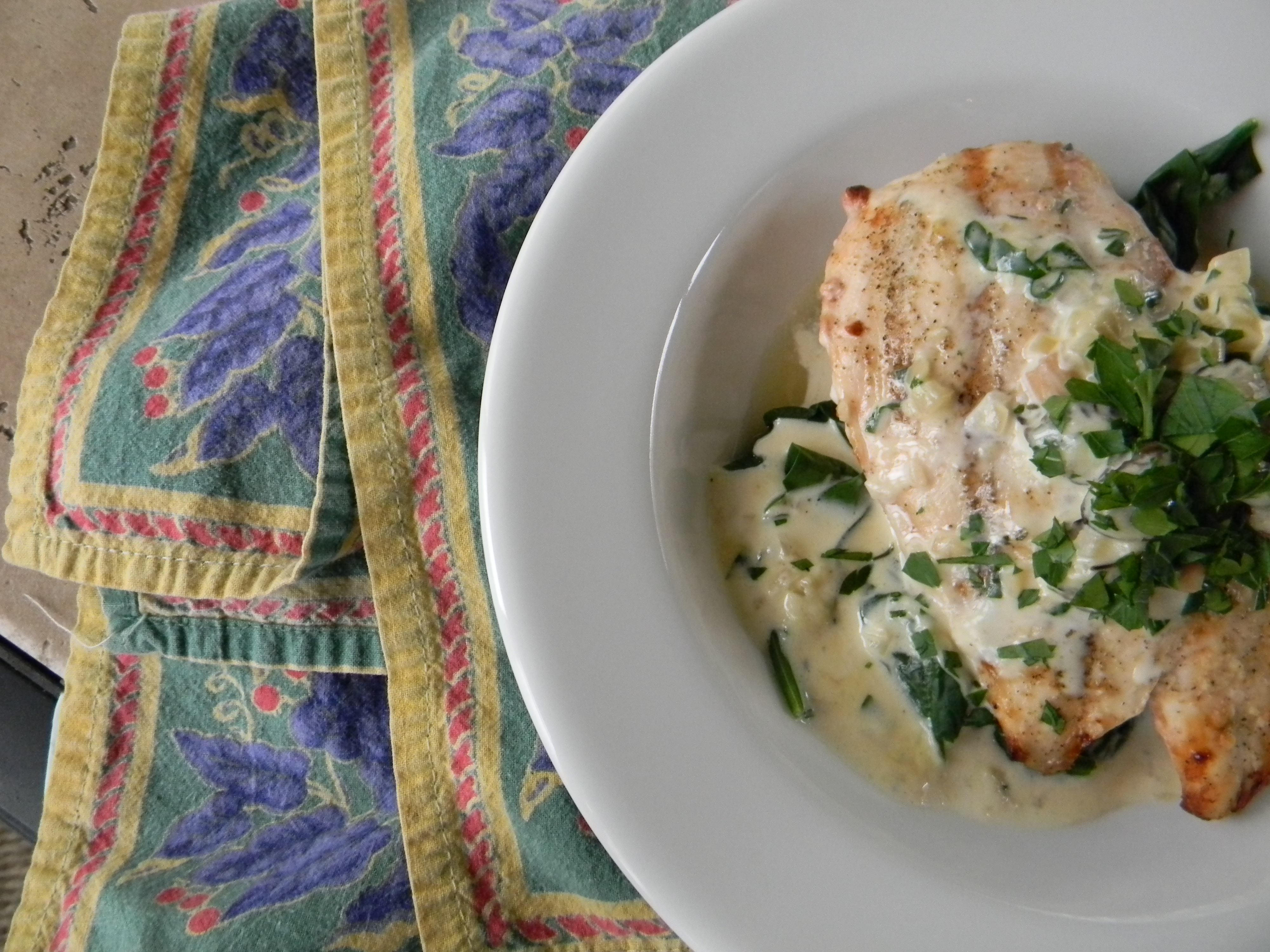
Grilled Chicken with Morel Cream Sauce:

  • 1 1/2 cups fresh morel caps
  • 1 Tbsp each of sweet butter & olive oil
  • 1 Tbsp shallots, finely minced
  • 2 cloves garlic, finely minced
  • 2 tsp fresh thyme, chopped
  • 1/4 cup dry sherry
  • 1 1/2 cups heavy cream
  • 4 cups fresh spinach leaves, washed
  • 4 chicken breasts, salt and fresh ground pepper to taste
  • 1/4 cup fresh Italian parsley, chopped
  1. Soak fresh morels in salted water for about 30 minutes to remove grit and potential insects.  Rinse and remove stems (save for another use) reserve.
  2. Heat gas grill to 400 degrees then adjust burners to medium on outside burners and low on middle burner to maintain that temperature. Cook 10 minutes per side.
  3.  In medium non-stick skillet melt sweet butter with olive oil.  Add garlic and shallots, saute for about 4 minutes on medium heat.  Add morel caps, continue sauteing for about 4 minutes more, stirring occasionally.  Add sherry continue to cook until liquid is reduced in half.
  4. Add heavy cream, thyme, salt and pepper to taste.  Bring to a boil, them reduce heat to medium and stir until thickened.
  5. Saute spinach in large skillet with only the water that clings to the leaves after washing.  Saute until just wilted but still bright green (do not over cook).
  6. Place some spinach in a shallow bowl, top with grilled chicken breast.  Spoon sauce over chicken.  Top with fresh parsley.

Serves 4

Alternately, here is an additional option:  grill two chicken breasts ahead of time, then slice in bite size pieces.  Julienne the fresh spinach.  Cook linguine to package directions or use fresh.  Cut up one bunch of fresh asparagus in 1 inch pieces.  Double sauce recipe.  Add asparagus to sauce along with chicken.  Drain pasta, top with julienned spinach, pour sauce over pasta and toss.  This will easily serve 4-6.

Try a crisp Sauvignon Blanc with either dish.  It’s a nice counter balance to the cream.

Laughter is brightest in the place where the food is.   ——–Irish Proverb

Posted in Chicken, Farm News, Raves, Recipes | Tagged , , , , | 1 Comment

Luscious Leftovers?

I love to cook for friends and family; it is our livelihood and our passion.  In fact I love everything about cooking, from the selection of ingredients to the prepping and creating of something visually beautiful and satisfying to the palette.  I hate leftovers.  That is I hated them until I came to the farm.  Maybe it’s because the food is fresher to begin with, or maybe I am more frugal by necessity.  I think it’s because I stopped copping an attitude about it.

We had planned Easter dinner to serve five.  Val and I, our neighbor Lynne, her friend Jelania, and Val’s brother Gary.  My family’s typical form is to let me know at the last-minute, which they did, and have decided to come, so three more were added, my brother Bill and my two nephews Ian and Jake.  What is it about families?  My siblings and I are not anything like each other; each of us thinking they were the one left under the cabbage leaf.  We do try our best to understand one another, even though at times it’s a real stretch.  We have learned to stay away from politics and religion, so there are deep discussions about the weather.  But I digress.

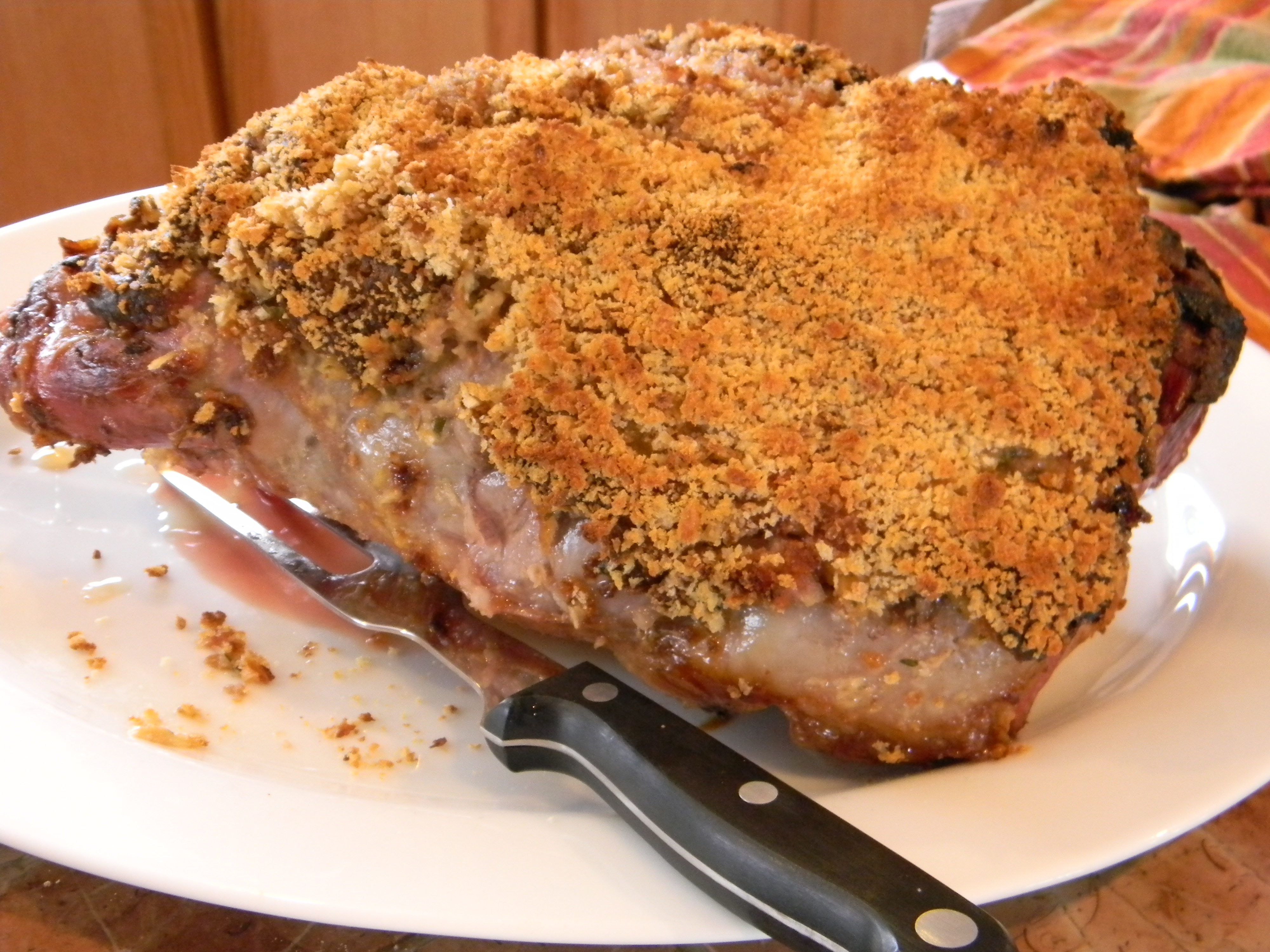
The center piece of our Easter dinner was a bone-in leg of lamb.  It is coated with a paste of roasted garlic, mustard, olive oil, herbs and fresh bread crumbs.  It is tradition on Easter and also makes an appearance during the Christmas holidays.  With side dishes of Warm Cannellini Bean Salad, Swiss Chard Casserole, fresh Ciabatta bread and Pecan Pie, it is a most savory meal.

Garlic and Mustard Crusted Leg of Lamb

  • 4 whole garlic heads, roasted (recipe follows)
  • 3 Tbsp Dijon mustard
  • 1 Tbsp olive oil
  • 1 Tbsp fresh chives, chopped
  • 1 Tbsp fresh thyme leaves, chopped
  • 1 Tbsp fresh rosemary, chopped
  • 1 6-8 lb bone-in leg of lamb
  • 12 fresh garlic slices
  • Kosher salt and freshly ground black pepper to taste
  • 2 cups fresh breadcrumbs (we use our Ciabatta)

To roast garlic:

  • 4 heads garlic
  • 1/4 cup good quality olive oil
  • Kosher salt to taste
  • 3 Tbsp water
  • 2 tsp white wine vinegar
  • Sprig of fresh thyme
  1. Preheat oven to 400 degrees.  With a very sharp knife, cut the tips off the top of each bulb (about 1/2 inch).  Remove the loosest papery layers, but do not separate cloves.  Pour the water in a glass baking dish.  Place the bulbs in the center.  Pour the olive oil over the top of each bulb and sprinkle with salt.  Sprinkle with vinegar.
  2. Cover the dish with foil (dull side up) and roast for 40 minutes.  Test by carefully inserting a thin sharp knife into one of the cloves.  It should be soft.  Let cool.
  3. Squeeze garlic heads to extract pulp.  Discard skin.  Place garlic pulp, mustard and oil in a food processor, process until smooth.  Stir in chives, thyme and rosemary leaves.
  4. Increase oven temperature to 425 degrees.
  5. Trim fat from lamb.  Cut 12 slits in lamb, place a fresh garlic slice in each slit.
  6. Spread the garlic paste mixture over surface of lamb.  Place lamb on rack in roasting pan.  Bake at 425 for 10 minutes.  Decrease temperature to 325 degrees.  Bake an additional 1 1/2 to 2 hours or until instant-read thermometer registers 130 degrees for medium-rare.  Let meat rest for 20 minutes before carving.

With all of us gathered at the table, it is always good food that brings us together.  It is a universal language and common ground.  We try to send everyone home with something.  Gary got the extra loaf of Ciabatta.  Ian and Jake took home the second pecan pie.  Bill replenished his stock of Oatmeal, Milk and Honey soap.

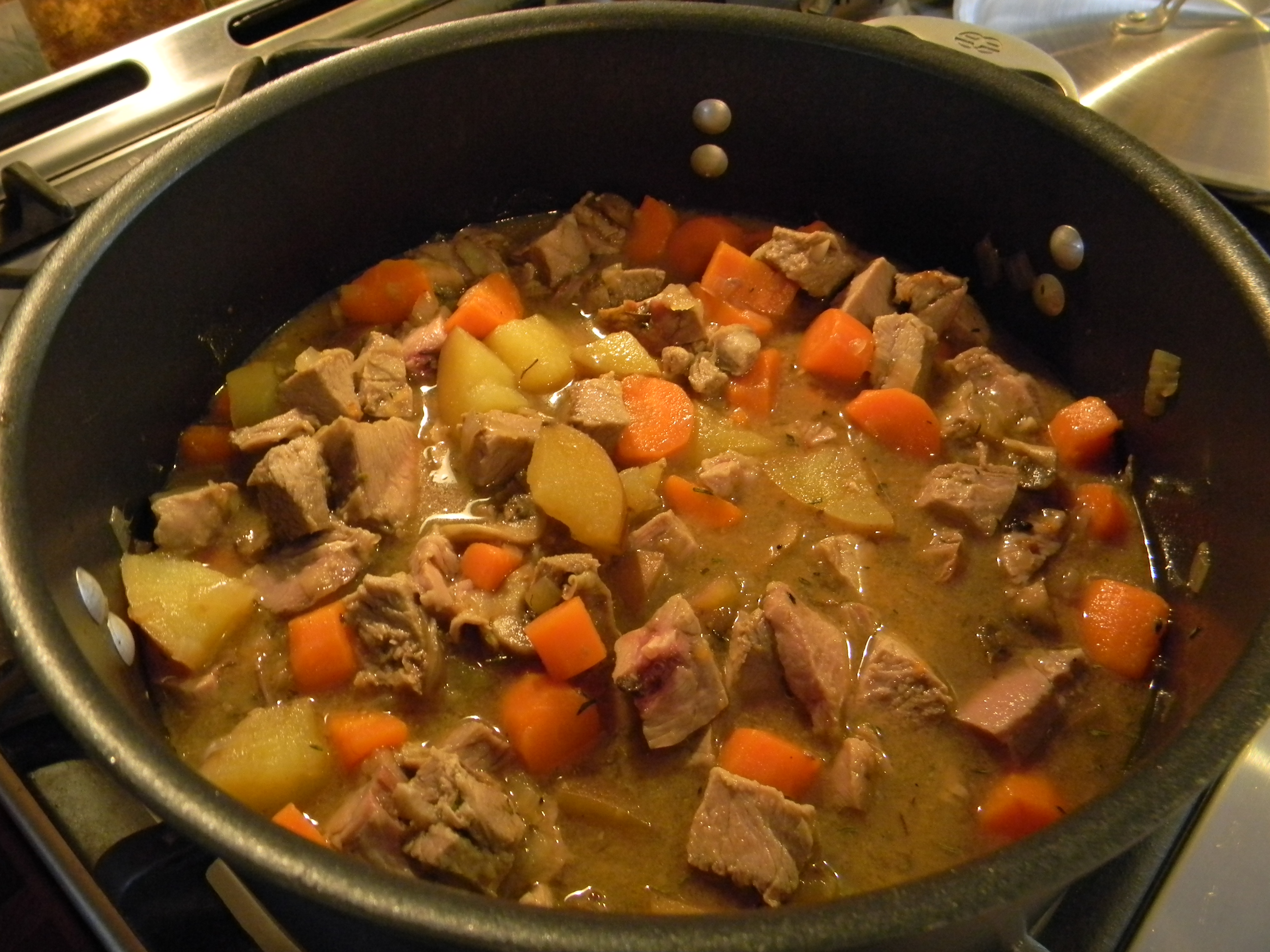
After everyone left, Val and I were clearing up and doing dishes, when we noticed that there was still a moderate amount of meat left on the leg of lamb.  We both new immediately it would be transformed into lamb stew tomorrow.  There was a time that I would have found this anything but exciting, but I remember the first time Val made lamb stew for me.  I was still working in the city and had experienced a particularly disheartening day.  When Val called on my cell to ask what sounded good for dinner, I had replied, “I not really hungry.”  I tried my best to decompress on the one hour drive home.  I pulled into the garage and climbed the stairs to the main part of the house, when I was struck by the scent of something so savory, so luscious, that my appetite was rekindled on the spot.  It was this lamb stew:

Left-over Lamb Stew

  • Any remaining meat from roasted leg of lamb, in bite-size pieces.  Include any breading and the bone itself separated at joint
  • 2 Tbsp olive oil
  • 1 cup onion, chopped coarsely
  • 2 cups carrots, chopped coarsely
  • 2 cups red-skinned potatoes, chopped coarsely
  • 2 cups chicken stock or broth
  • 2 tsp fresh thyme, finely chopped
  • 1/4 cup fresh parsley, finely chopped
  • Kosher salt and freshly ground black pepper to taste
  1. In large Dutch oven or saucepan, saute onion and carrots for 5 minutes on medium-high heat.  Add potatoes, chicken stock or broth, lamb bone, any remaining breading and fresh thyme.
  2. Lower heat to medium and simmer until carrots and potatoes are cooked through.
  3. Lower heat to medium-low and add cut up meat.  Heat only to warm meat through.  Add fresh parsley.  Ladle into bowls.

I am not embarrassed to say I enjoyed this every bit as much as Easter dinner.  The bread from the lamb’s crust thickened up the sauce nicely, the meat was fork tender and it was savory and down right luscious.  Who would have thought.

‘There is no love sincerer than the love of food.’

–George Bernard Shaw

Posted in Recipes | Tagged , , , | Leave a comment

Simple

Again and again spring is here and not here.  Forsythia bloom, yet the wind blows bitter off the lake.  I wear a hat and winter coat to water the hoop house and enter the humid 70 degree warmth.  The lettuce, spinach and Swiss chard we planted last September has not only made it through the winter, but is growing nicely.  Our grand experiment to extend our season has been pronounced a success.  Although we have lost the radishes and dill, the parsley and thyme thrived.  The carrots however, need to be planted no later than mid-August in order to have anything larger than a pencil.  Live and learn.

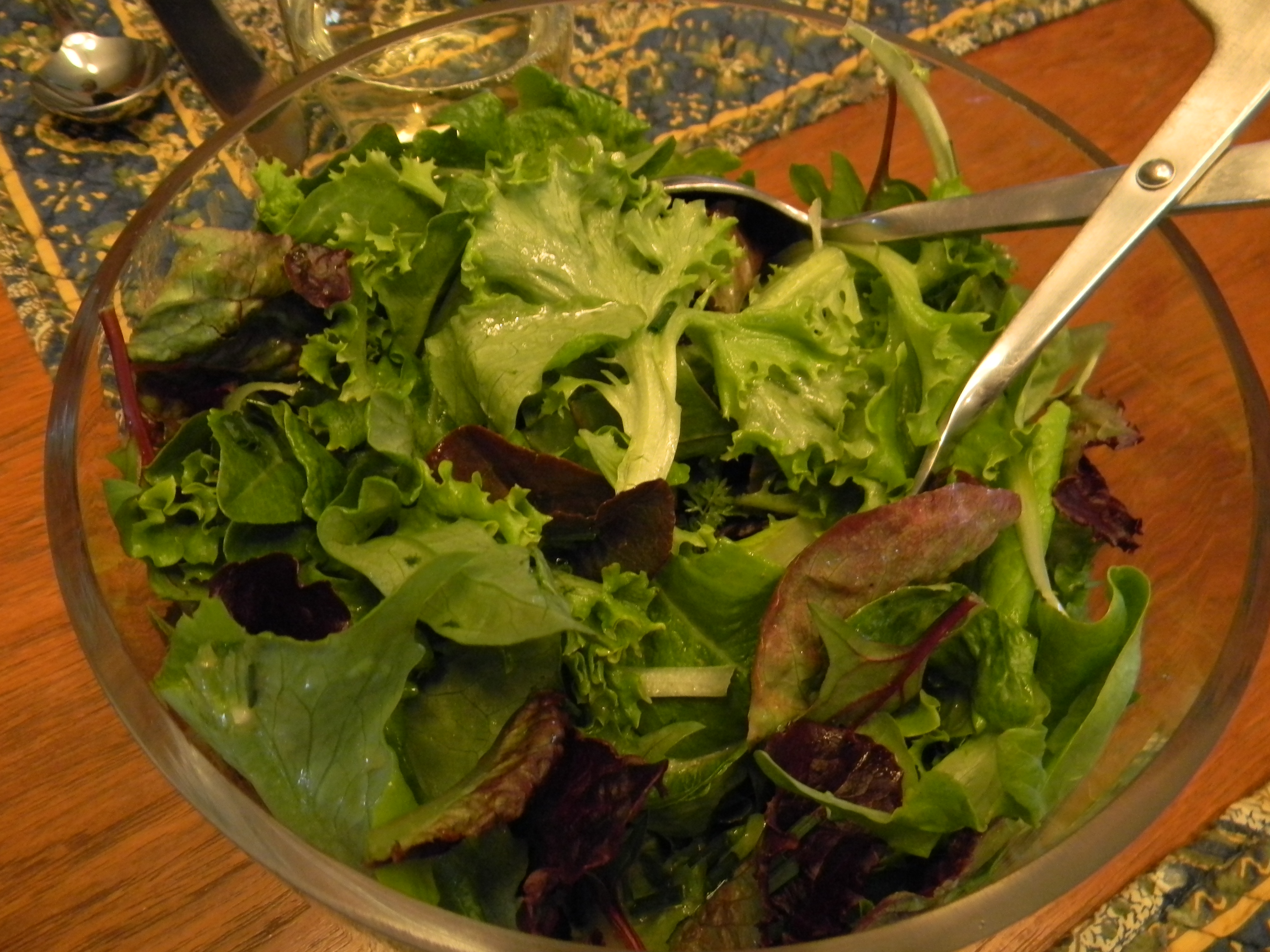
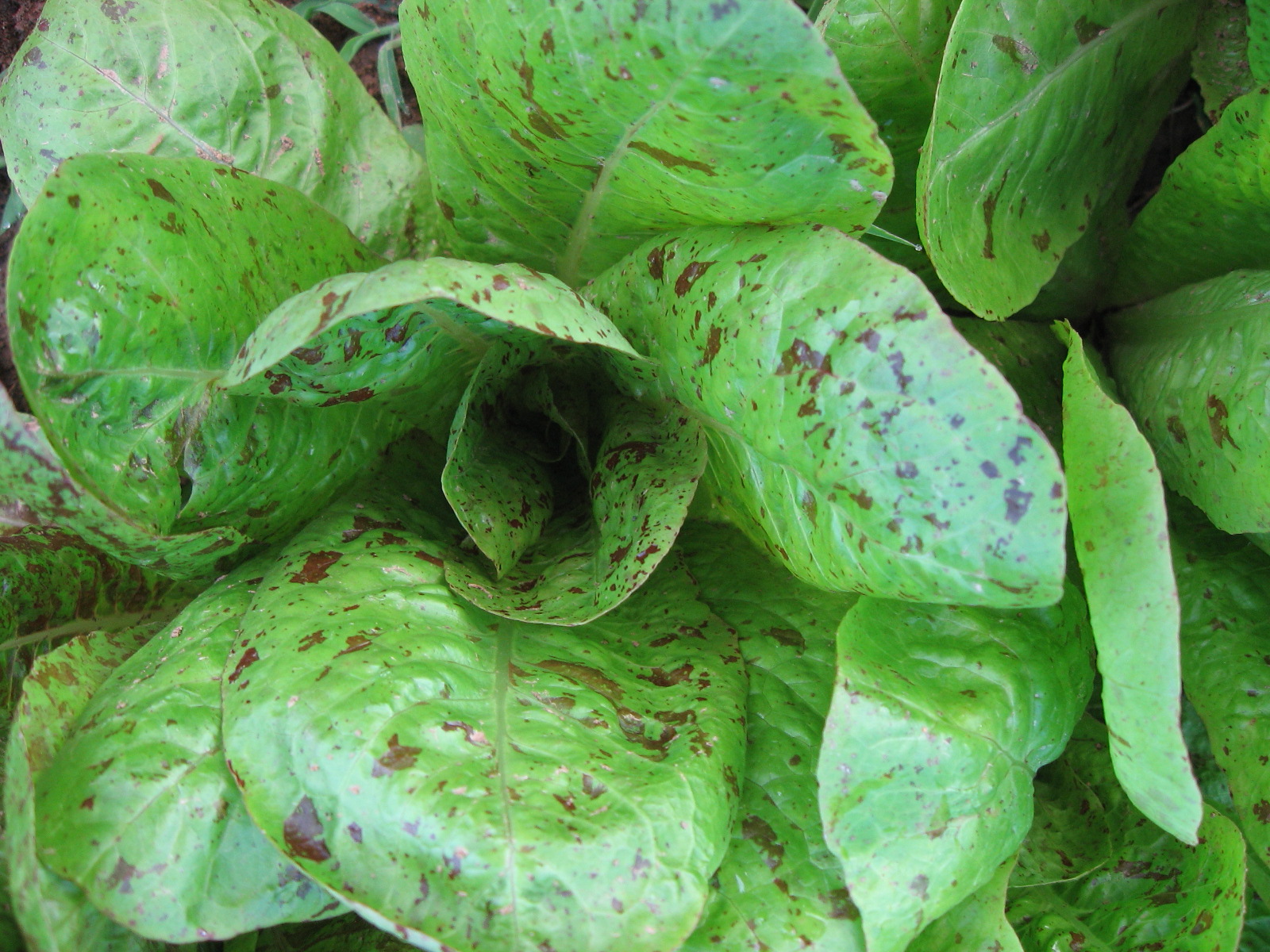
I take off my hat and coat and kneel down to start with the chard.  I pull individual leaves off each plant.  I look for small red and yellow ones, each one looking vibrant and alive.  I crawl over to the spinach.  We grow two varieties, Space and Bordeaux.  Space is beefy, round and wrinkled, while Bordeaux is delicate with pointed lobes and wine-red veins.  The spinach in particular prefer it cool and moist.  They grow almost hedge-like, and thicker the more they are picked.  I turn next to the lettuces and stop to appreciate their variety before I harvest.  Green Deer-Tongue, Royal Oakleaf, Forellen Schluss, Tango, Sylvetta and Rocket Arugula, a world unto itself of color and texture.  No heavy cream dressings for these beauties; only the simplest of vinaigrettes will do.  I want to feel their fresh texture on my tongue.

I gather up my hat and coat and close up the hoop-house.  Walking home with my bounty, I notice wild chives growing up through the leaves behind the barn; a bright green contrast to the forest floor.  I decide to add these to my salad, gently cutting a handful.  Entering the kitchen, Val is pulling fresh Ciabatta from the oven.  The scent of warm bread surrounds me.  I show Val my offering and she smiles her approval, giving me a kiss on the cheek.  Our friends Beth and Brian will be arriving soon to share our table.  I rinse and spin the salad, then place it in the frig.  Next, I decide on the vinaigrette.  I look through our condiment shelf and decide on Champagne Vinaigrette.  I like to use a glass Dijon mustard jar that I have recycled.  The size is ideal and allows me to shake it to my heart’s content until it emulsifies.

Champagne Vinaigrette

  • 1 garlic clove finely chopped with 1/2 tsp Kosher salt
  • 1 Tbsp Dijon mustard
  • 1/4 cup champagne vinegar
  • 1 Tbsp lemon juice
  • 1 Tbsp honey
  • 1/2 tsp freshly ground black pepper
  • 1/2 cup good quality, extra virgin olive oil
  1. After finely chopping the garlic clove with the salt, let rest for 15 minutes.
  2. Put all ingredients into jar with tight-fitting lid.
  3. Shake vigorously until combined.  Let rest 15-20 minutes to let flavors meld.
  4. Shake again and dress salad with hands (to prevent bruising leaves)

We all sit down to a simple meal of pasta, bread and salad.  Brian starts to eat the salad with his fingers, exclaiming how fresh and alive it tastes.  We share in his exuberance, not wanting to bruise the leaves.  As we spread sweet butter on fresh bread our meal is elevated to something beyond the sum of its parts.  We collectively await spring’s arrival with the warmth of friendship at our table.

Posted in Essays, Recipes | Tagged , , , , | 4 Comments

Mindfulness

It was such a tease.  I mean really, 85 degrees in early April?  But we jumped in with both feet, wanting to take full advantage of the amazing day; which meant doing the one thing I enjoy as much as cooking.  In fact I am content to do it for hours on end, stopping only for beverage or bathroom breaks.  What could get me so worked up?  Tilling.  That’s right, tilling.  I find it soothing, contemplative, transporting. I feel fulling engaged with the earth and endless memories find their way into my consciousness.

Whenever I till, the chugging of the engine and the turning of the blades are cathartic.  The land becomes a canvas.  Any past transgressions from the previous year, are swept away.  It is spring, the season of renewed hope.  The land opens and we begin.  Weeds are no longer weeds, but green manure adding nitrogen to the soil.  The scent is part rot, part nurture, part birth.  There is nothing quite like it.  Both the land and I simply breathe.

When I was a child our family vacationed at a resort called Journey’s End. It was a group of cabins along the Connecticut River outside Brattleboro, Vermont.  Each of the cabins was named after a particular bird.  There was the Chickadee, the Robin, the Sparrow and the Junko, all clustered along the river.  I remember them to be quaint and close together like birds at a feeder.  Our family stayed in one that was farther up the mountain, called the Raven.  I loved the mystery of its name and the way it was positioned at the top of a gully that was carpeted with bracken fern under a canopy of birch trees.  There was always an under current of tension in our family, but this tension would dissolve when we arrived at Journey’s End.

Perhaps it was the mountains, or the trees, or the screened in porch that ran the length of the cabin.  Maybe it was the mismatched china, the squeaky iron beds, the huge stone fireplace, the claw-foot bath tub, the absence of a schedule or agenda.  We seemed to collectively exhale as a family.  We played games and hiked.  I went searching for antiques with my parents.  We ate clam chowder, bread pudding and apple pie with a slice of fresh cheddar on top.  But my strongest memory came one afternoon when everyone was gone except my father and me.  My brothers were with friends and my mother had gone into town for supplies.  It was dark and gray, with thunder rumbling in the distance.  My father was practicing his harmonica, while I was laying on one of the twin lounging beds out on the porch.  It had a faded canvas cover with large pink roses on it.  It sagged under my weight and smelled slightly musty.  I felt safe; life felt simple.  Large rain drops started to fall on the metal roof, their cadence mixing with the sound of my father’s harmonica, the musty bed, and the wet earth. My heart broke open and tears ran down my temples.  I understood our family’s pain and sadness were not permanent.  Whenever I smell moist earth, and the rot of humus,  I feel strangely hopeful.  It is visceral and a salve.  I somehow knew my family would find its way and that I would too.

I have tilled 2.5 acres of our land.  Val has planted over 100 rows of spring veggies.  We are sunburned and hungry.  Val wants something earthy, so I suggest Cheddar Polenta with Mushroom Ragu. Val pours wine and we begin……..

Each experience leaves an imprint, its transformation into something useful is a choice.

Cheddar Polenta with Mushroom Ragout

  • 1 Tbsp salt
  • 1 1/4 cups instant polenta
  • 1 cup half-and-half
  • 1 Tbsp freshly ground pepper
  • 2 cups shredded sharp white Cheddar cheese (6 oz)
  1. Bring 5 cups of water to boil in a heavy medium saucepan.  Add the salt.  Gradually whisk in the polenta over moderate heat.  Cook, stirring with a wooden spoon, until thickened and smooth, about 5 minutes.
  2. Stir the half-and-half and pepper into the polenta.  Remove from the heat and stir in the cheese.  Spoon the polenta onto a warmed platter or individual plates and serve with the Mushroom Ragout.
  • 1/2 cup dried porcini mushrooms (1/2 oz)
  • 4 Tbsp unsalted butter
  • 3/4 lb cremini mushrooms, stems removed, caps thickly sliced
  • Salt and freshly ground pepper to taste
  • 1 Tbsp finely chopped shallots
  • 3 garlic cloves, minced
  • 1/2 cup fresh Italian parsley, chopped
  1. In a small bowl, soak the porcinis in 1 1/2 cups of hot water until softened, about 15 minutes.
  2. Meanwhile, melt 1 Tbsp of the butter in a large heavy skillet.  Add one-third of the fresh mushrooms, season with salt and pepper and cook over moderately high heat, stirring occasionally, until lightly browned, about 4 minutes.  Transfer to a large plate.  Repeat the process twice with 2 more Tbsp of butter and the remaining mushrooms, then return all the cooked mushrooms to the pan.
  3. Drain the porcinis, reserving the soaking liquid.  Rinse and coarsely chop the porcinis and add them to the pan with shallots and garlic.  Cook over moderately high heat, stirring for 3 minutes.  Add the porcini liquid, stopping when you reach the grit at the bottom.  Boil over high heat until reduced by half, about 4 minutes.  Stir in the parsley and season with salt and pepper.  Remove from the heat and stir in the remaining 1 Tbsp of butter.  Serve at once.

Posted in Essays, Farm News, Raves, Recipes | Tagged , , , , , | 7 Comments

Not Quite Spring

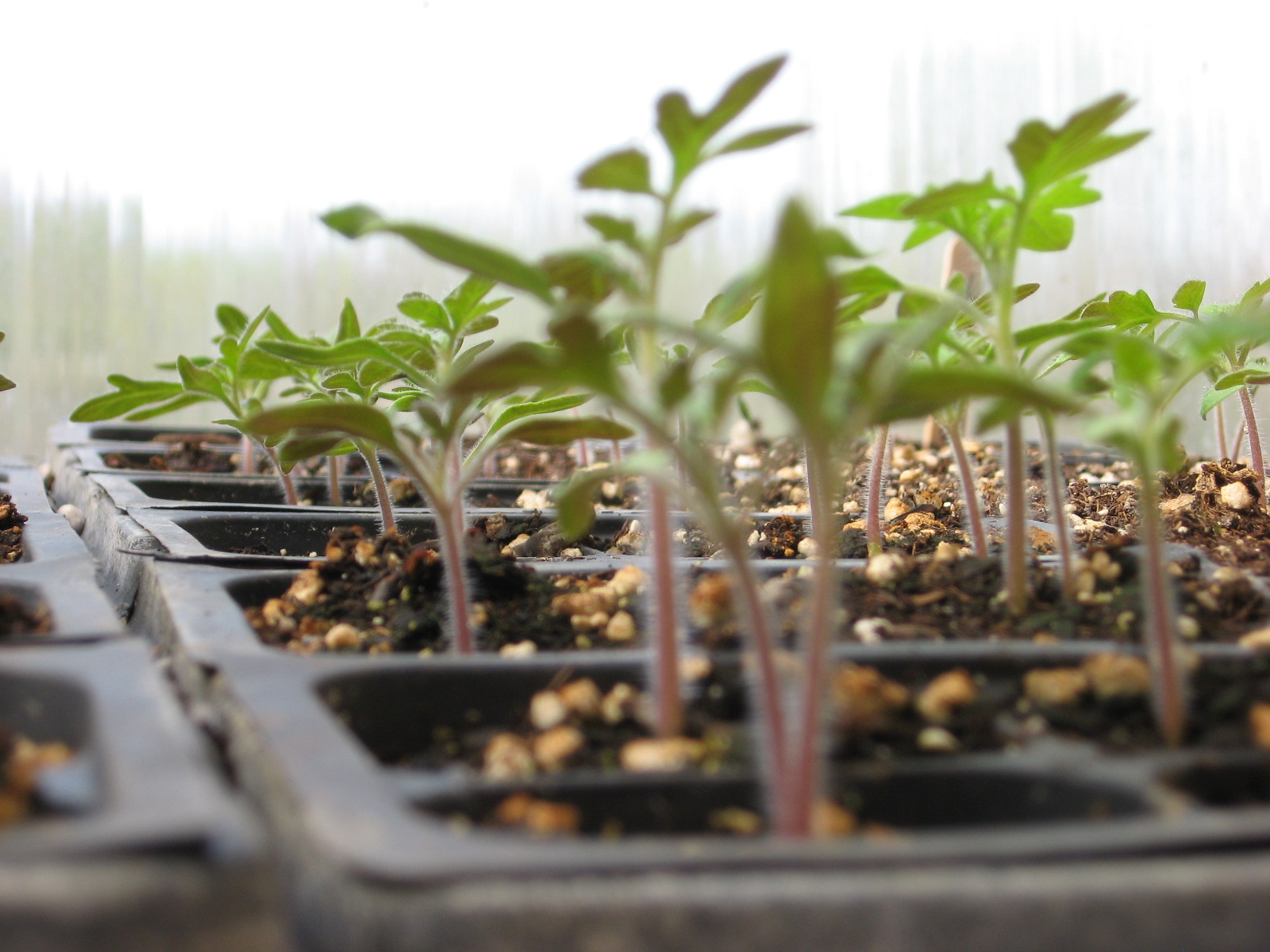
The work in our soap kitchen is winding down, as the new farm season is winding up.  Each April 1st regardless of the weather, we start filling trays and planting 17 varieties of heirloom tomatoes.  Today was blustery, dark and cold with snow, rain and hail all making their appearance.  Thankfully the greenhouse temperature was 70 degrees, allowing us to pretend that spring was indeed here.  We are impatient this time of year.  We have had enough of indoor activities and want to put our plans into action.  In the course of one month all 7300 plants will be transplanted from their 48 pack trays to individual 4 1/2 inch pots.  Some of these will be sold at market, while the rest will be planted in our fields in late May.  This is only the beginning.

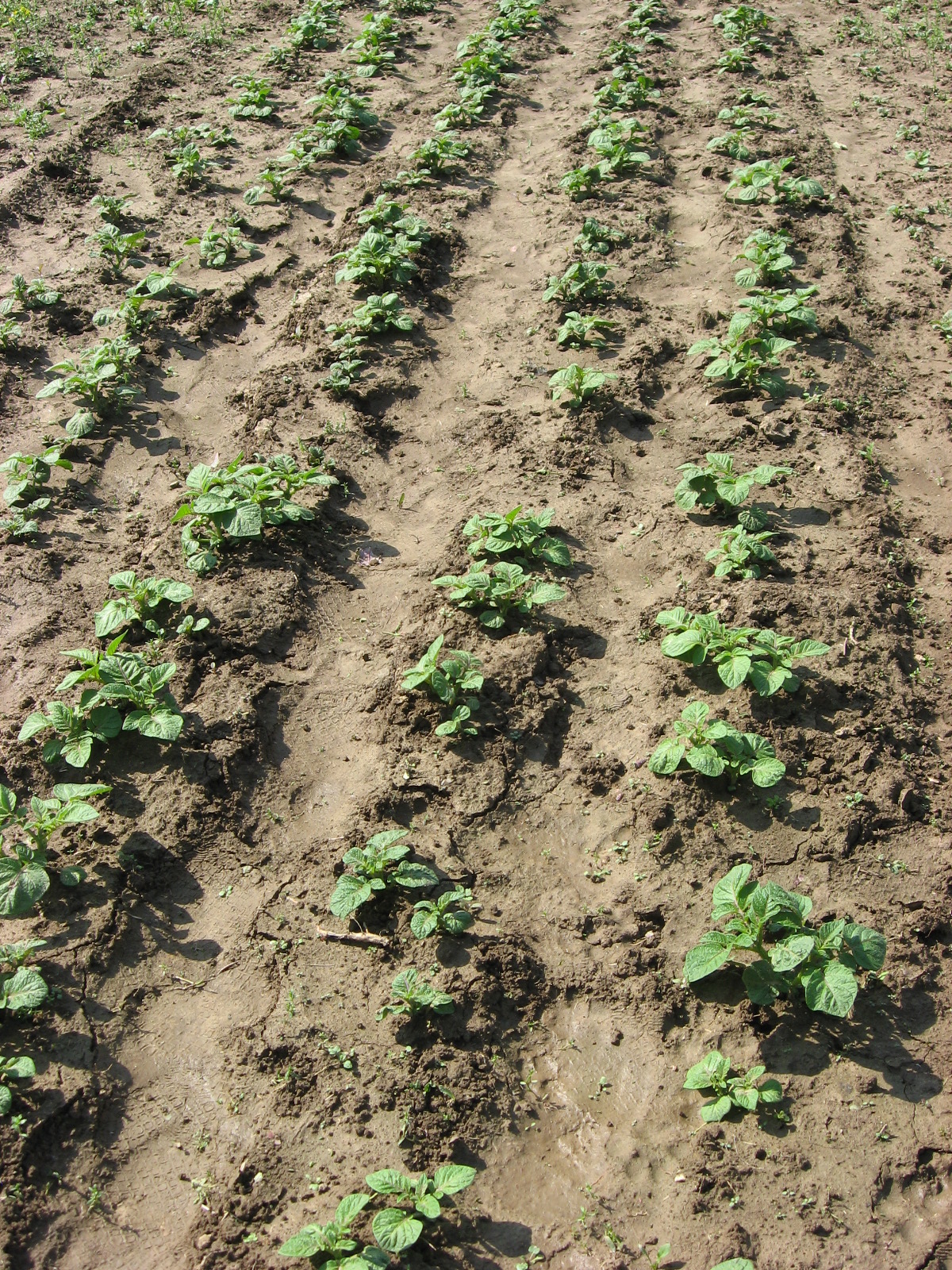
We are expecting our shipment of 650 pounds of seed potatoes to arrive any day now.  We grow 7 varieties of potatoes that include early, mid-season and late season varieties.  These will be planted as soon as we can get into the fields.  I’m itching to start tilling.  It seems we hit the ground running April 1st and slow down somewhere around the 31st of October.  The hard-neck garlic that we planted last October is starting to push out of the ground, and our spring vegetables are ready to plant.  Farming teaches you patience, as we are always waiting on the weather.  Hopefully good things will come to those who wait.

During this cold windy day, we have gotten a good start on the tomato plants.  We head in to make our favorite pork Bolognese.  Don’t be daunted by the long ingredient list.  You can actually make it in less than an hour.  I love using tomatoes that we put up last season.  I can almost feel the sun on my shoulders as I stir.

Pork Bolognese

  • 4 oz good quality pancetta, cut into 1/2 inch cubes
  • 2 Tbsp olive oil
  • 2 Tbsp butter
  • 2 cups onion, chopped
  • 1 cup carrot, chopped
  • 1 cup celery, chopped
  • 6 cloves garlic, sliced thinly
  • 2 lbs ground pork
  • 1 tsp salt
  • 1/2 tsp freshly ground pepper
  • 2 tsp Italian seasoning
  • 1/2 tsp cinnamon
  • 1/4 tsp red pepper flakes
  • 2 tsp fennel seed
  • 1 cup dry red wine
  • 1 cup heavy cream
  • 1 quart homemade tomato sauce
  • 2 4oz cans tomato paste, plus two can water
  • 1 bay leaf
  • 1 lb penne pasta
  • 1 cup freshly shredded Pecorino cheese
  1. In a large Dutch oven over medium heat, cook pancetta 7 minutes or until crisp.  Drain on paper towels.  Add butter and olive oil to pot.  Add onion, carrot and celery, saute 4-6 minutes.  Turn up heat to medium-high.
  2. Add ground pork, salt, pepper and garlic, Italian seasoning, cinnamon, red pepper flakes and fennel seed.  Saute until pork in no longer pink.  Add pancetta, red wine, heavy cream, tomato sauce, tomato paste and bay leaf.  Turn heat to medium-low and simmer for 30 minutes.
  3. Cook pasta according to package directions.  Drain.  Pour pasta into large serving bowl.  Top with sauce, removing bay leaf.  Sprinkle with fresh parsley.  Pass shredded Pecorino.

Serves 6-8“Food is our common ground, a universal experience.”   –James Beard

Posted in Farm News, Recipes | Tagged , , , , | Leave a comment

Quietly Doing Our Thing

My original intent for this blog was to introduce both our farm and my new memoir/cookbook:  Basics with a Twist: Life & Food at Brickyard Farms. With the book’s arrival being approximately 3 weeks away, I thought it was time to share an excerpt.  The book itself came out of the desire to share some of my journey from living a conventional urban life to a life I never envisioned.  At times deeply personal, it is the story of how I came to find my life’s passion and purpose.  Containing over 80 recipes using ingredients we grow, it gives a snapshot of what it takes to get food to the table.

You wouldn’t even know we were back here, quietly farming the land.  Truck farms seem to be a thing of the past.  Most people think big is the only way to make it in farming, but we are used to running contrary to conventional opinion.  Still, I couldn’t be more surprised to find myself here in the small village of Cloverdale, living a rural life.  Although totally unlikely, it is indeed perfect.

I had always been a city girl.  I was raised in the suburbs and had accumulated the necessary props and entrapments to feel successful, since without them I felt invisible.  Mistakes in my family were not easily tolerated.  I wanted to grow up to be someone interesting, yet feared I had no depth.  Along the way, I had also accumulated failed relationships, lousy self-esteem, and a deeply engrained unhappiness with life.  I was raised with the expectation of being a wife and mother.  How could I explain that neither one was something I envisioned for myself?  I resented this expectation being my only option.  I wanted a life ‘outside the box’.  I wanted to live life with humor, commitment and purpose.  I yearned for a life that felt authentic.  Yet how exactly does one go about finding the life I envisioned?  I decided initially to invest in myself.  I needed to understand who I really was, not the one who lived through others.  After much soul-searching and a considerable amount of therapy, I came to realize that I had repeatedly made choices in the effort to please someone else.  If I wasn’t a problem to anyone else, maybe, just maybe, I would be loved.  Being a pleaser and living through the expectations of others, created distance from something I deeply feared and had come to understand about myself.  Once facing that fear, I took the first truly honest step I could under these circumstances.  I ended my eighteen year marriage and with the support of my dearest friends started building a life of my own.  This included coming out as a lesbian.
In deciding whether or not to move to the country, much less be in a new relationship, I asked myself a simple question: is this what is best for me?  The decision I made was completely out of my previous character, but completely authentic for whom I was becoming.  I chose to live in the small village of Cloverdale, Michigan on a self-sustaining farm with my new partner Valerie.

We farm five and one half acres, which seems small until you are planting, weeding or harvesting the vegetables.  Although we aren’t getting any younger, the work keeps us fit.  When I first came to the farm it was unthinkable for me to lift anything beyond 20 pounds, comfortably.  Now, I load 50 pound grain bags for our chickens without strain.  Muscles have developed where I never knew they existed.

Brickyard Farms originally started in 2001 with Valerie Lane and her partner Cate Burke.  The name was taken from its location on the site of the old Cloverdale Brickyard along the abandoned Chicago, Kalamazoo and Saginaw railroad bed.  Val developed the idea of creating a self-sustaining farm, while Cate created handmade artisan soaps and lotions.  They quietly worked at their individual ideas while taking care of Val’s mother who was failing from diabetic complications.  During this period of time they began selling unique and unfamiliar heirloom produce and artisan soaps at the Fulton Street Farmers Market, in Grand Rapids, Michigan.

Tragedy struck in November of 2006 after Cate broke her leg while handling the straw bales that cover the garlic crop.  She developed a blood clot and died unexpectedly at the age of 46.  The following two years Val called on friends and family to get through planting and harvesting.  She learned how to make soap for the first time as Cate had left meticulous notes of her progress and discoveries.  I began helping out on a regular basis, doing what I could.  During this time our relationship deepened and we decided to join forces to continue making Brickyard Farms a viable enterprise.

Moving to a rural environment proved the catalyst for shedding many things I had thought were important.  I was always one who was very particular about my appearance.  If I left the house for any reason, I had my hair styled and my makeup on.  I would never consider wearing sleeveless shirts, and preferred air-conditioning to sweating outside.  Now my hair is natural silver, I hardly ever wear makeup, and my arms are a deep, nutty brown.

When I lived in the city, I was either working, shopping, dining or visiting friends.  Stimulation on all levels was a constant.  In the neighborhood where I lived, I was often barraged by the neighbor’s stereo, police sirens and other noises.  If I was bored, I could come up with various distractions by getting into my car and driving somewhere, usually the mall.  If I wanted to connect with nature, I scheduled a vacation.  I took note of her, connected with her, returned to the city, only to lose that connection.  I rarely took the time to reflect or enjoy the changing of the seasons.  They came and went without much appreciation; I was simply too busy.

In my new life in the country, nature is more noticeable.  I live side by side with her.  I seek out the silence nature offers and start noticing endless surprises I had often walked by before.  Bird song has taken the place of sirens and wind chimes the place of stereos.  I am noticeably calmer.  Along with being self-employed, my daily choices seems less frantic or designed for distraction.  Time itself takes on a whole new dimension.  Now when I walk out the back door, I notice the moist scent of the earth, the wind in the trees and the wideness of the sky.

What a revelation to walk out our back door, and into the fields to harvest quality food for dinner.  I learned what it takes to get food to the consumer.  The cycle of seed, to plant, to harvest brought me closer to the land.  This in turn, brought me closer to myself.  As the seasons pass I too am changed, by the farm, the land and life in this small community.

Sipping my morning coffee by the fields, I am fascinated by the weather.  I have stopped wearing a watch and lose track of the days of the week.  I turn down invitations for activities in the city.  My focus has become our farm and its care.

Life in the country turns out to be anything but boring.  It feels right to be part of something as fundamental as growing food for ourselves, and others.  In the fall of my life I am grateful to have landed here.

“The act of putting to your mouth what the earth has grown is perhaps your most direct interaction with the earth.”                  –Francis Moore Lappe

Posted in Book Excerpts, Essays, Raves | Tagged , , , , | 6 Comments